Why Micro Markets Are Becoming a Go-To Food Solution for Warehouses
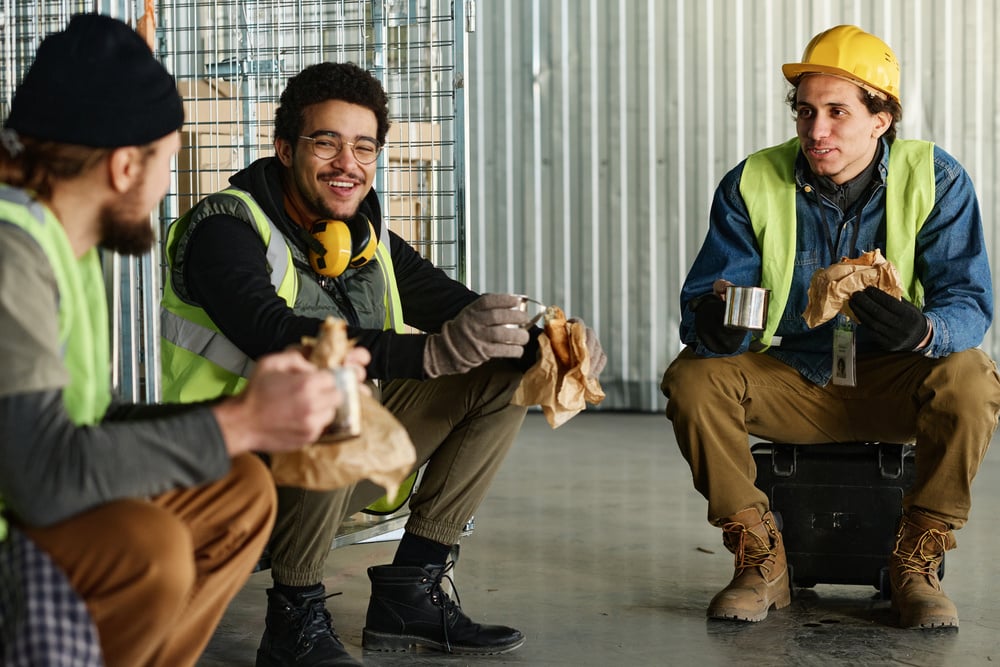
Warehouse operations have changed substantially over the past decade. Distribution centers and fulfillment facilities increasingly run 24 hours a day, seven days a week, powered by workers across multiple shifts whose breaks are often short and who don’t have time for a casual stroll to the nearest restaurant. Many of these facilities are situated in industrial parks, logistics corridors, or rural areas where nearby dining options are limited or nonexistent, particularly after typical business hours.
At the same time, the warehousing industry continues to try to manage increasing workforce pressures. Recruiting and retaining reliable employees has become one of the toughest challenges operators face, and employers are now looking beyond wages and scheduling flexibility to improve the day-to-day experience for their people.
Access to fresh, healthy, and hearty food options during a shift is becoming an integral part of how employees assess their workplace. For many warehouse operators, micro markets enhanced by smart vending have provided a welcome, practical solution that supports productivity, employee satisfaction, and around-the-clock operations.
What Is a Micro Market for Warehouses?
If you’ve never come across the micro market (or micromarket) concept before, it’s worth investigating. A micro market is a self-service retail space that combines the variety of a small convenience store with a modern café atmosphere, allowing employees to purchase food and beverages 24/7 but without the need for on-site staff. Open shelving and refrigerated coolers make it easy to browse just as employees would in a retail environment, so they can pick and choose what they want for a fully satisfying (and energizing) meal.
At InReach, our micro markets and vending machines are stocked with options that reflect how people eat today: high-protein snacks, gut-health-friendly choices, energy drinks, and electrolyte beverages. Coffees and cold brew sit alongside familiar favorites to create a well-rounded food program that keeps employees engaged and on-site. Employees can pick up fresh sandwiches, wraps, bowls, and salads, along with packaged snacks, beverages, and grab-and-go items.
In addition to these conveniences, purchase transactions are fast, simple, and secure. Micro markets feature self-service kiosks, and both micro markets and our vending machines accept mobile wallets, credit and debit cards, and cash, eliminating bottlenecks and removing the need for a cashier. Your employees can select what they want, pay in seconds, and get back to enjoying a well-deserved break without spending most of it in line.
Why Warehouses Have Different Food Service Needs Than Offices
Office environments typically operate on a nine-to-five schedule, making it relatively straightforward to plan on-site food programs. Warehouses operate on an entirely different clock. First-shift crews may start as early as 5:00 A.M., second-shift employees often arrive in the early afternoon, and overnight crews may be on the floor from 10:00 P.M. until the sun comes up. Each of these groups has the same fundamental need: access to foods and beverages that give them the energy they need to perform physically demanding work.
And it’s this continued physical labor that makes access to nutritional food options vital. Employees lifting, moving, and operating equipment for hours at a time need more than a bag of chips or a candy bar to sustain their focus and output. Hearty meals, high-protein options, and adequate hydration are necessities in these workplaces, making the traditional break room or cafeteria model insufficient. Plus, when breaks are short, the time it takes to access food matters just as much as what’s available.
The location of your warehouse can further compound your food service challenges. Many warehouses are built in industrial parks, along transportation corridors, or near ports and distribution hubs where land is available and access to major routes is favorable. What those locations often lack are nearby restaurants, grocery stores, or even convenience stores that stay open through the night. For an overnight crew finishing their shift at 6 a.m., the question of where to find a meal becomes a frustrating, recurring challenge.
24/7 Food Access: A Key Differentiator for Warehousing Employers
Traditional food service solutions that work for the nine-to-five crowd just don’t cut it in the warehousing sector. A cafeteria may serve breakfast and lunch, but because it’s staffed, it won’t be running at two o’clock in the morning. Food trucks are a popular amenity at some facilities, but they often come and go on a whim. Nearby restaurants close. Delivery services have coverage gaps in industrial and rural areas, and they often stop operating entirely through the night.
This is where a well-stocked micro market makes all the difference. Our micro markets at InReach are designed to operate 24/7, 365 days a year. This alone can boost morale and support retention by sending a clear message that you’re prioritizing your employees’ well-being.
In fact, industry reporting consistently identifies 24/7 accessibility as one of the most valued advantages of micro markets in warehouse and industrial environments. Researchers found that night-shift workers frequently reported difficulties accessing appropriate food during overnight hours and identified workplace food availability as a significant influence on eating habits.
Labor Shortages Are Changing the Conversation Around Employee Amenities
Warehousing has been among the industries most affected by workforce shortages in recent years. An aging labor pool, high turnover in physically demanding roles, growing demand from e-commerce, and intensifying competition for skilled workers have prompted operators to rethink what it means to be a good employer.
Micro markets help create a more favorable work environment. When the workday feels like it was designed with employees in mind, the experience can be a game-changer for someone evaluating their options.
At InReach, we work closely with our partners to design micro-market and smart-vending programs that meet the unique needs of the warehousing sector. Our automated inventory tracking and restocking systems handle the back end, so your team doesn’t need to worry about managing product levels or placing orders. Micro markets run themselves, and vending machines stay well-stocked, which is particularly valuable when local food infrastructure is minimal.
Micro Market Vending vs. Traditional Vending Machines
Our vending solutions at InReach have come a long way since the machinery from decades past. Micro market vending takes a fundamentally different approach to custom food programs by combining the always-on reliability of unattended retail with fresh, quick, and easy vending options.
Your micro market vending machine setup can include prepared salads, grab-and-go sandwiches, packaged snacks, premium beverages, and more, depending on your employees’ preferences, which we poll for you to minimize waste. These machines are modern and interactive, making them a flexible, personalized, all-in-one strategy.
Many of our warehousing clients find that this hybrid approach also works well for their footprint. Smart vending units placed in high-traffic areas or secondary breakrooms handle quick transactions and provide access to a curated selection of items, while a larger micro market serves as the primary food destination where employees can take a fuller break and browse a more comprehensive selection. We design these programs to complement one another, so your workforce has access to what they need when they need it.
The Future of Warehouse Food Service Leans Towards Flexible and Unattended
Industry trends suggest growing demand for unattended retail solutions. A 2025 analysis by William Blair identified unattended retail as an expanding segment supported by advances in payment technology, automation, and labor efficiency, with formats ranging from vending to micro markets and autonomous stores. For warehouse operators, that shift is arriving at exactly the right moment.
Accessibility, technology, and a personalized experience offer far more benefits than a one-size-fits-all approach, and our micro markets are built around these elements. On the operational side, we handle setup, technology, and ongoing management, so you can focus on running your operation. Real-time inventory management and data-driven stocking mean the items your employees want most are consistently available. Finally, the usage reports we generate give you clear visibility into how your program is performing at any given moment.
That visibility can help warehouse operators make smarter decisions over time. Rather than guessing what employees want, you can see which products are most popular, which items move slowly, and how purchasing habits change across different shifts. In some facilities, overnight crews gravitate toward substantial meals and energy beverages, while first-shift employees may prefer breakfast items, coffee, and lighter snacks. These insights allow food programs to evolve alongside your workforce rather than remaining static.
Flexibility is another reason unattended retail solutions continue to gain traction. As warehouse operations grow, add shifts, or reconfigure break spaces, micro markets and smart vending programs can adapt without the staffing requirements associated with traditional food service models. Whether you're supporting a small distribution center or a large fulfillment facility with hundreds of employees, the right food program can scale with your operation while continuing to provide the convenience, accessibility, and variety employees increasingly expect from their workplace.
A Better Food Experience for Work Sites That Never Stop
Warehouses present a unique set of food service challenges that standard breakroom solutions were never designed to address. Micro markets with smart vending meet these challenges in a way that is practical, scalable, and valued by employers and employees alike.
Connect with our team at InReach to learn how you can put the foods and refreshments your warehouse workforce needs in reach.