How Healthcare Facilities Are Expanding Food Access Without Expanding Cafeterias
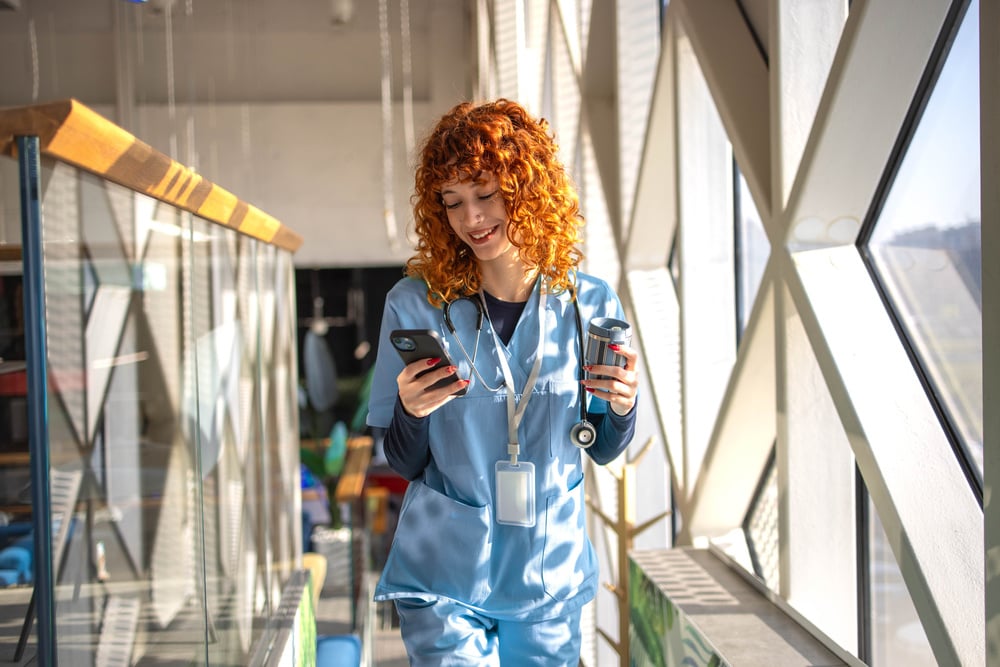
The portmanteau ‘hangry’ emerged for a reason. When you’ve endured a long, demanding shift at work and haven’t eaten in hours, it’s more than just a little irritating. And if you’ve been working at a large healthcare facility with a cafeteria located all the way on the other side of the campus, or worse yet, a cafeteria that closed hours ago, these emotions can reach maximum intensity.
Healthcare employers agree this is a problem. They recognize that access to food during every shift is an employee well-being issue, especially for overnight teams that routinely have fewer options than their daytime colleagues. As a result, organizations such as these are expanding food access by moving beyond the idea that every meal must come directly from one centrally located, fully staffed cafeteria.
The emerging model resembles a hub-and-spoke system, with micro markets serving as convenient food hubs and smart vending and pantry options extending access across complex healthcare organizations.
At InReach, we help keep teams fueled with customized micro markets that offer a diverse selection of fresh salads, hearty heat-and-serve meals, sandwiches, fruit, snacks, treats, premium coffee, and other food and beverage options, available 24/7.
These micro markets are an especially fitting solution for time-crunched healthcare employees working long and demanding shifts. After a 12-hour stretch, staff shouldn’t have to conduct a frenzied search for a nearby store that is still open and offers more than the standard chocolate bar, chip, and candy fare. With a micro market in place, they can head down the hall to a fully stocked space that combines the convenience of a café with the variety of a neighborhood market.
Why Doesn’t a Central Cafeteria Meet Every Need in Healthcare Settings?
A central cafeteria can be a useful, convenient benefit for employees working nearby and during its hours of operation. But across large campuses, that represents only a portion of a facility’s employees, partners, and visiting stakeholders.
Studies show that the current hospital food environment does not always support a healthy diet. Healthcare employees face numerous barriers to eating well at work, including demanding workloads, limited break times, inconvenient cafeteria locations, and a lack of healthy choices. And those working night shifts? They are at a particular disadvantage, as cafeterias, small coffee shops, and gift shops are often closed during those hours.
When break times are short, and the only available food is halfway across a facility, it will most likely remain halfway across the facility, so staff have time to decompress instead of refuel. Employees may also be reluctant to travel far from their departments in case an urgent situation requires their attention.
The traditional healthcare food service model leaves many gaps, especially for weekend staff and those working over the holidays. Extending cafeteria hours can help, but it also shifts a heavier financial and staffing burden to hospital administration while solving only part of the problem.
Making fresh, healthy food available beyond the cafeteria offers a more equitable solution without building a new, full-scale cafeteria.
Why Is Expanding a Cafeteria So Difficult?
Let’s take a look at this option. Beyond the budget and space needed to build another cafeteria, operating it requires additional cooks, cashiers, and cleaning staff. Simply enlarging the current cafeteria doesn’t resolve the location problem. And neither solution resolves overnight, weekend, and holiday demand, which may also be too low to support a fully staffed new space. Food and labor costs increase while, again, only half the problem is resolved. Expanding a cafeteria is not just difficult; it’s rarely the most efficient use of facility budgets.
For teams in charge of healthcare food services, making nutritious food available to employees working around the clock while managing labor costs, reducing waste, maintaining food safety, and meeting patient dining requirements creates a difficult juggling act. InReach is here to help.
Healthcare facilities don’t necessarily need another large dining room. They need flexible food-access points located closer to the employees, visitors, and administrators who rely on them.
How Do Micro Markets Extend Food Access?
Micro markets allow healthcare facilities to expand food access without increasing expenses or staffing requirements. These self-service spaces can be installed near an employee break area, outpatient building, administrative office, emergency department, or another high-traffic location.
Unlike traditional vending machines, micro markets use open shelving and refrigerated areas that make a variety of foods easy to see, store, and access. Convenient self-checkout technology eliminates lineups and bottlenecks, while card-swipe and e-wallet payment options also streamline transactions. Employees can browse labels and choose from fresh salads, sandwiches, fruit, protein-rich snacks, beverages, treats, and ready-to-heat meals at any time because micro markets never close.
No matter what time or day an employee begins their shift, they’ll always have what they want for a meal or a snack available on site.
A micro market vending program gives healthcare facilities even greater flexibility. A larger market can serve a busy employee population while, at the same time, smart vending machines stocked with sandwiches, salads, and other grab-and-go options put satisfying, healthy food close by at strategic points.
Best of all, micro markets and smart vending almost run themselves (with a little help from us at InReach). We manage the details that keep healthcare food services running, and we poll your teams to ensure the products and variety match dietary preferences and needs. This can include protein-forward and iron-enriched items, vegetarian and vegan items, low-carb items, and more. Telemetry also helps us keep shelves and smart vending stocked.
Micro markets give healthcare organizations a practical way to meet employees where they are, accommodating every shift, and providing lots of satisfying choices without adding another cafeteria and additional staff.
As the healthcare food services market evolves, this ability to provide personalized, decentralized access can work as a significant employee attraction and retention strategy. Employees won’t have to choose between a far-off break room and going without food to remain close to their departments. And when their shift concludes, a fresh meal, energizing snack, or hot cup of premium coffee can be right down the hall.
Where Should Healthcare Facilities Place Food-Access Points?
When we partner with healthcare facilities to develop a micro market and smart vending program, we begin by clarifying needs and goals. In this sector, that includes facility traffic, shift schedules, existing amenities, employee preferences, micro market size and aesthetics, and the number of micro markets and smart vending machines needed to meet those needs and goals.
High-volume micro markets can work especially well near:
- Staff entrances and badge-access areas
- Central employee break rooms
- Major department intersections
- Administrative and medical office buildings
- Areas serving multiple floors or adjoining wings
Smart vending can then complement this central hub with machines in emergency departments, outpatient clinics, and other areas where employees are working farther away. Pantry and coffee programs can also meet the needs of administrative teams and support busy meeting areas and employee lounges, where complimentary refreshments contribute to a more welcoming workplace and social culture.
A strong decentralized food program can combine a full micro market in a high-traffic employee area with smart vending; coffee, tea, snacks, and refreshments; and pantry services (or micro kitchens) positioned elsewhere throughout the facility. By understanding each facility and reviewing purchasing patterns and inventory data, we help our healthcare partners identify the best access points, refine product selections, and strategize the best mix of options.
Putting Fresh and Healthy Food In Reach
Long hours, heavy physical demands, and constant emotional pressure make healthcare one of the most demanding sectors to work in. Making satisfying food and beverage options easier to access is a meaningful way for organizations to support their teams.
Our experts at InReach design programs around the people, property, and operational realities characterizing each organization. We help determine the right micro market, vending, and pantry locations; the product mixes that fuel and best serve your workforce; and modern, welcoming spaces that boost morale and support a more social and connected workplace culture.
Let’s take care of those who are taking care of us. When we put the right foods and refreshments in reach, we turn ‘hangry’ into happy.
Reach out to InReach today, and let’s expand food access at your medical campus without expanding your cafeteria.